

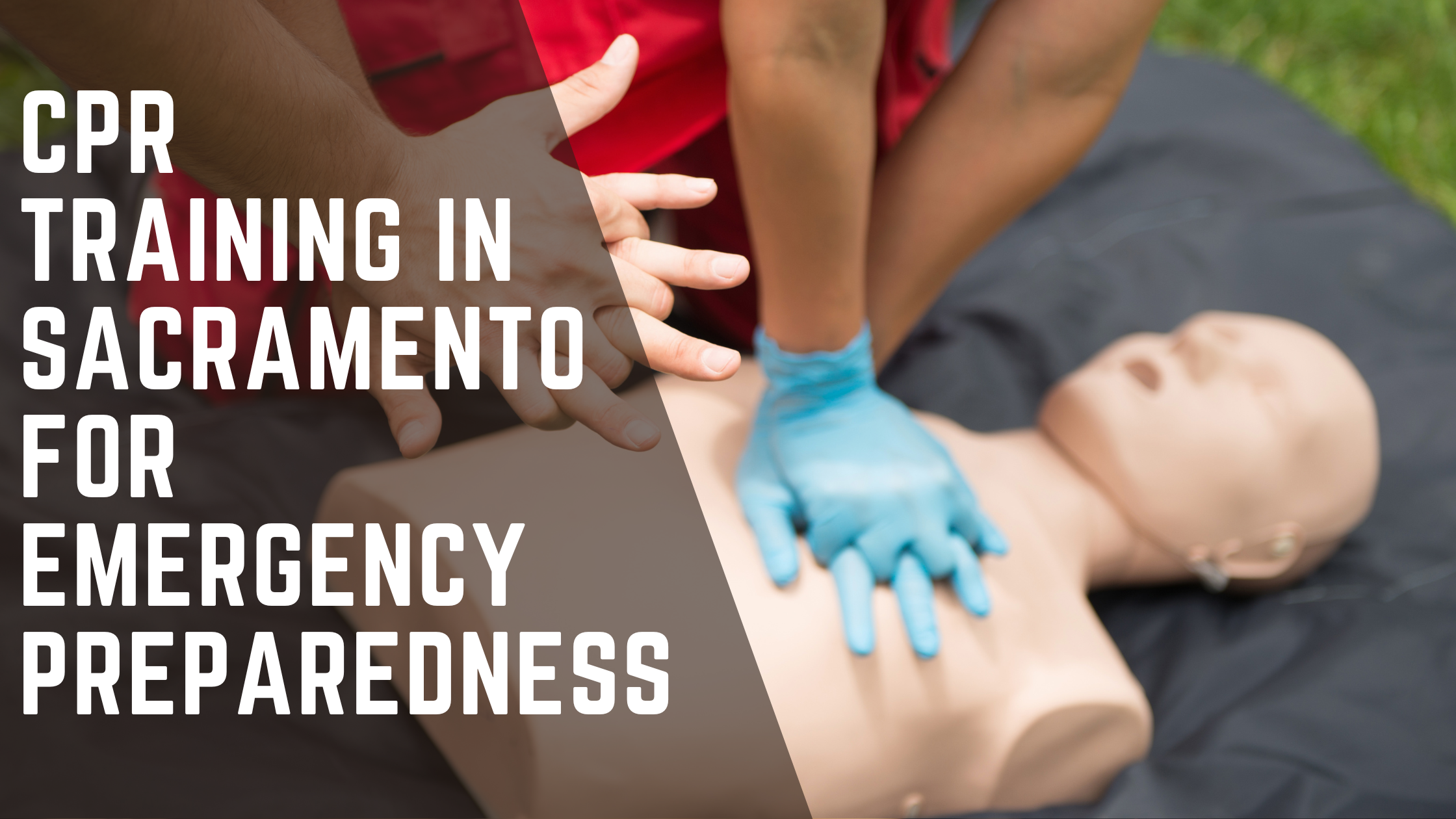
Medical emergencies can happen in an instant. Whether it’s sudden cardiac arrest, respiratory distress, or a choking incident, the actions taken during the first few minutes are often the most critical. Cardiopulmonary resuscitation (CPR) is one of the most important life-saving skills a person can learn, helping maintain blood circulation and oxygen delivery until professional medical care arrives. For healthcare professionals, students entering medical fields, and community members who want to be prepared, obtaining CPR Certification in Sacramento provides the knowledge and hands-on training necessary to respond confidently in emergencies.
As the capital city of California, Sacramento is home to major hospitals, healthcare institutions, universities, and thousands of businesses. With such a large and active population, the demand for trained individuals who can respond to emergencies continues to grow. CPR certification programs help ensure that both professionals and everyday citizens have the ability to recognize life-threatening situations and provide immediate assistance when every second matters.
Why CPR Certification Is So Important
Sudden cardiac arrest is a leading cause of death across the United States. It occurs when the heart unexpectedly stops beating effectively, preventing oxygen-rich blood from reaching the brain and vital organs. Without rapid intervention, brain damage can begin within four to six minutes.
CPR plays a critical role in maintaining circulation until advanced medical care or defibrillation restores a normal heart rhythm. Studies consistently show that immediate bystander CPR significantly increases survival rates.
Individuals who complete CPR Certification in Sacramento learn how to:
-
Recognize the early signs of cardiac arrest and breathing emergencies
-
Perform high-quality chest compressions
-
Provide rescue breathing when necessary
-
Use an automated external defibrillator (AED) safely
-
Assist victims experiencing choking or airway obstruction
These practical skills empower individuals to act quickly and effectively in situations where prompt intervention can save a life.
Who Should Get CPR Certification in Sacramento?
While CPR training is widely associated with healthcare professionals, the ability to respond to emergencies is valuable for people in many different roles. In fact, many cardiac arrest incidents occur in homes or public places where bystanders are the first to respond.
People who commonly pursue CPR certification include:
-
Physicians, nurses, and physician assistants
-
Emergency medical technicians and paramedics
-
Medical and nursing students
-
Dental professionals and hygienists
-
Teachers and childcare providers
-
Personal trainers and fitness instructors
-
Workplace safety teams and security personnel
-
Parents, caregivers, and community volunteers
Whether required for employment or taken as a personal safety measure, CPR training helps individuals develop the confidence to step forward during critical moments.
Understanding the Certification Cards Earned During Training
After completing CPR and advanced life support training programs, participants typically receive official certification credentials. These are often issued as digital or physical certification cards verifying that the individual has completed a recognized training program and demonstrated the required skills.
Healthcare professionals often maintain several types of certifications depending on their clinical responsibilities.
BLS Card: Basic Life Support Certification
A BLS Card confirms that a healthcare provider has successfully completed Basic Life Support training. BLS is considered the foundation of professional resuscitation care and is commonly required for individuals working in medical or clinical environments.
BLS training focuses on essential life-saving skills such as:
-
Adult, child, and infant CPR techniques
-
Proper use of automated external defibrillators
-
Team-based CPR and coordinated response
-
Basic airway management and ventilation
-
Recognition of cardiac arrest and rapid intervention
Hospitals, clinics, and healthcare organizations frequently require employees to maintain an active BLS Card to ensure they are prepared to respond during emergencies.
ACLS Card: Advanced Cardiac Life Support Certification
For healthcare professionals working in critical care environments, more advanced training is necessary. An ACLS Card verifies completion of Advanced Cardiac Life Support training, which focuses on the management of complex cardiovascular emergencies.
ACLS programs provide in-depth instruction in areas such as:
-
Cardiac rhythm interpretation and ECG analysis
-
Advanced airway management techniques
-
Medication use during cardiac arrest and arrhythmias
-
Treatment protocols for stroke and acute coronary syndromes
-
Leadership and communication during resuscitation scenarios
Medical professionals working in emergency departments, intensive care units, and advanced clinical settings often maintain a valid ACLS Card as part of their professional qualifications.
PALS Card: Pediatric Advanced Life Support Certification
Children experience medical emergencies differently from adults due to differences in anatomy and physiology. Because of this, healthcare providers who treat pediatric patients require specialized training.
A PALS Card indicates that a provider has completed Pediatric Advanced Life Support training and understands how to manage emergencies involving infants and children.
PALS training includes instruction in:
-
Pediatric patient assessment and early recognition of distress
-
Management of respiratory emergencies in children
-
Treatment of pediatric shock and cardiac arrest
-
Pediatric airway management and ventilation techniques
-
Team-based pediatric resuscitation strategies
Healthcare professionals working in pediatrics, emergency medicine, and ambulance services often require a valid PALS Card to demonstrate their ability to care for pediatric patients in emergencies.
What to Expect During CPR Certification Training
Most CPR Certification in Sacramento programs combine educational instruction with hands-on training to ensure participants develop both knowledge and practical skills.
Training courses typically include several important components.
Instruction and Learning
Participants learn about cardiac arrest, respiratory emergencies, and the science behind CPR techniques. This portion may include videos, case studies, and instructor-led discussions.
Hands-On Skills Practice
Students practice chest compressions, rescue breathing, and AED operation using specialized training manikins designed to simulate real patients.
Emergency Response Scenarios
Many programs incorporate realistic scenarios that allow participants to apply their skills in simulated emergency situations.
Skills Evaluation and Certification
Before receiving certification credentials, participants must demonstrate that they can perform CPR correctly and respond appropriately during emergency simulations.
Modern training programs often use a blended learning format, allowing participants to complete educational modules online before attending a brief in-person skills assessment session.
Benefits of Getting CPR Certified
Completing CPR Certification in Sacramento offers significant benefits for individuals and communities alike.
Improved emergency readiness Participants gain the knowledge and confidence needed to respond quickly during medical emergencies.
Professional career advancement Healthcare employers frequently require credentials such as a BLS Card, ACLS Card, or PALS Card.
Safer workplaces and public spaces Organizations benefit when employees are trained to provide immediate medical assistance.
Stronger community response Communities with more trained responders have higher survival rates for cardiac arrest victims.
Maintaining CPR Certification
Medical guidelines for resuscitation continue to evolve as research advances emergency care practices. Because of this, CPR certifications typically remain valid for approximately two years.
Healthcare providers and trained responders must renew their certifications regularly to remain current with updated CPR techniques and treatment protocols.
Renewal courses reinforce core skills and introduce any updates in modern resuscitation guidelines.
Supporting a Safer Sacramento Through CPR Training
Access to quality training programs helps build a stronger and more prepared community. When more people know how to recognize cardiac arrest and perform CPR effectively, the chances of survival for victims increase dramatically.
By obtaining CPR Certification in Sacramento, individuals gain practical life-saving skills and the confidence to respond when emergencies occur. Whether earning a BLS Card, ACLS Card, or PALS Card, each certification represents a commitment to protecting lives and supporting emergency response efforts.
Learning CPR is not just a professional requirement, it is a powerful skill that enables ordinary people to make an extraordinary difference when someone’s life is on the line.
Read More - Getting CPR Certification in Santa Rosa